
Zombie Defense: War Z Survival
HomaArcade
4.52.90K Reviews
- Version
- 3.9.0
- Installs
- 10.00M
- Age Rating
- Everyone 10+
Screenshots
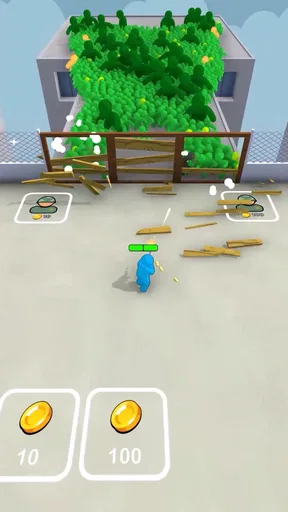
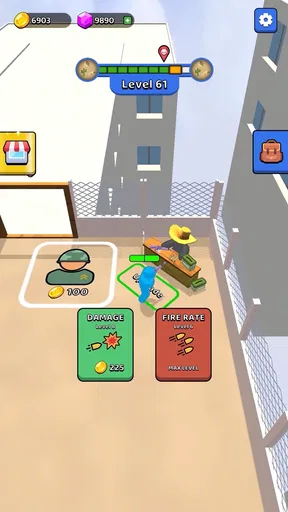
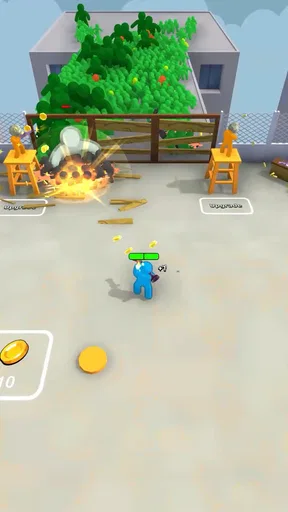
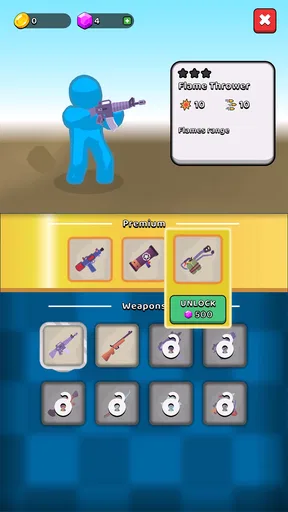
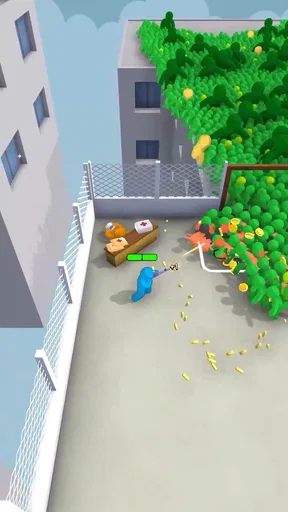
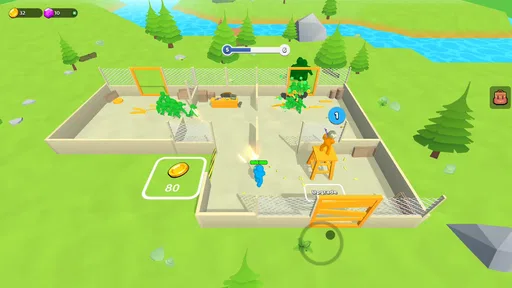
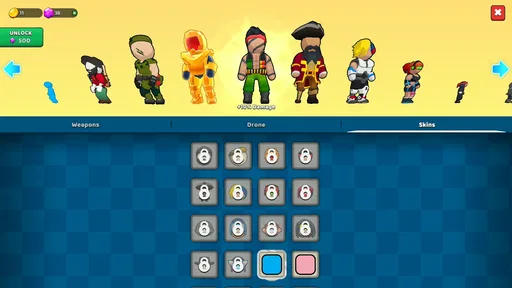
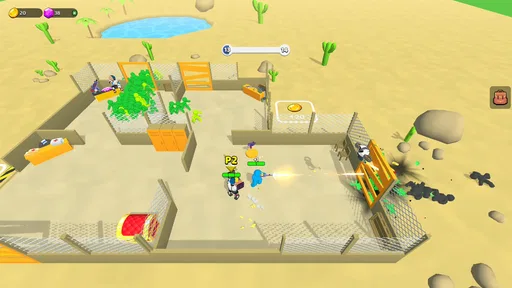
Our Review of Zombie Defense: War Z Survival
 Analysis by Appyee
Zombie Defense: War Z Survival is the kind of arcade game I reach for when I want a quick burst of action rather than a long strategy session. I spend my time protecting a home from incoming zombies, improving weapons, and trying to stay alive as the pressure builds. That basic loop is easy to understand, but it becomes more interesting once I stop treating every encounter as a simple shooting exercise and start thinking about when to spend upgrades, where to focus, and how much risk a particular run is worth.
Developed by Homa, this free game sits comfortably between a casual shooter and a light survival challenge. It is available for Android devices running at least version 7.1, and the current version is 3.9.0. The age rating is Everyone 10+, so it is aimed at a broad audience, although the zombie theme and repeated combat may not suit very young players or anyone looking for a peaceful arcade experience.
How I play a normal run and decide whether it fits
My usual workflow starts with a simple goal: survive the immediate attack without wasting the opportunity to become stronger later. The temptation is to react to every zombie as soon as it appears, but that can lead to hurried decisions. I first look at the shape of the threat, identify which enemies are most likely to reach the home, and then use the available weapon power where it matters most. This makes the game feel less like random tapping and more like a short sequence of priorities.
The home-defense setup gives each run a clear sense of place. I am not merely moving through an endless landscape; I am trying to keep a fixed objective safe. That changes how I judge success. A flashy attack is not necessarily a good one if it leaves the most dangerous approach unchecked. When a wave feels manageable, I prefer to preserve a little flexibility instead of spending everything immediately. That habit helps when the next group arrives faster or includes a tougher target.
The core appeal is its accessibility. I do not need to learn a complicated control scheme before enjoying the first session. The arcade structure makes it suitable for short breaks, such as playing while waiting for a bus or taking a few minutes away from work. A typical session can be approached casually, but the upgrade decisions give me enough to think about that it does not feel completely disposable.
That simplicity also defines its limits. Players who expect a deep base-building game, a large story campaign, or a highly customizable tactical system may find the experience too narrow. The focus stays on defending, upgrading, and surviving. I think that is a strength for quick play, but it means the game is not a replacement for a more substantial strategy title or a full-length action game.
What I prioritize during the first attempts
Early on, I pay attention to which weapon improvements make a visible difference to the way I handle a wave. It is easy to choose an upgrade simply because it is available, but I get more value by asking what problem it solves. If enemies are reaching the home before I can clear them, I favor improvements that help me deal with the immediate pressure. If the defense feels stable, I can consider a choice that supports stronger performance later in the run.
This is one of the more useful habits for new players: do not judge an upgrade only by how impressive it sounds. Judge it by the situation on the screen. A powerful option may be less helpful than a modest improvement if the current danger comes from speed, crowding, or poor timing. I found that making decisions around the present wave reduced wasted attempts more effectively than chasing a single favorite weapon style.
I also avoid restarting mentally after one mistake. A zombie getting close does not automatically mean the run is lost. The better response is to identify whether the mistake came from targeting, timing, or spending too much power too early. That small review after each attempt turns repeated play into practice instead of repetition without learning.
Settings and device habits worth checking
Because the game is built for quick arcade sessions, I recommend checking the device basics before blaming the controls. I play with the screen clean, brightness at a comfortable level, and notifications reduced when I want to concentrate. Those are ordinary adjustments, but they matter in a game where a brief interruption can make me miss the most important target or react too late.
I also keep the phone steady rather than playing while walking or holding it at an awkward angle. The action is approachable, yet small changes in grip can make a short session feel less precise. On an older compatible device, closing other demanding apps before starting is a sensible routine. It does not change the game itself, but it can make the experience feel more consistent and prevents background distractions from becoming part of the challenge.
The game is free to download, with in-app purchases ranging from $0.99 to $99.99 per item. I suggest deciding in advance whether you want to play entirely without spending or whether you are comfortable buying optional items. That decision is easier when it is made before a frustrating run, because pressure can make any purchase feel more urgent than it really is. For me, the best approach is to treat purchases as a convenience rather than as part of the basic learning process.
Parents should also remember that the Everyone 10+ rating does not mean the game is suitable for every child. The presentation centers on zombies and defensive violence, even though the format is arcade-like. If a child is sensitive to that theme, I would preview the game together and set clear expectations around play time and purchases.
Faster patterns that make defense more reliable
My fastest improvement came from replacing frantic reactions with a repeatable scan. At the start of a wave, I check the nearest danger, the densest group, and the target that would be hardest to handle if ignored. Then I act in that order unless the screen changes dramatically. This simple pattern reduces the number of random movements and makes my decisions quicker without requiring any hidden trick.
Another useful pattern is to avoid overcommitting to the first target I notice. A large enemy naturally attracts attention, but a cluster of smaller enemies may create the more immediate threat. I try to read the whole approach before focusing on one opponent. In practice, this means switching attention when the home is under pressure rather than stubbornly finishing a target that is no longer the priority.
Upgrade timing is just as important as upgrade selection. When my defense is already coping, I prefer to wait long enough to understand the next problem instead of spending immediately. When a run is clearly being overwhelmed, saving everything for a perfect future opportunity is equally unhelpful. The trade-off is between safety now and improved potential later. Experienced play is not about always saving or always spending; it is about recognizing which side of that trade-off the current wave demands.
I find it helpful to use short sessions as focused drills. In one attempt, I concentrate on target priority. In another, I watch how long I can preserve upgrade flexibility. This gives each run a specific purpose and makes progress easier to notice. It is more productive than trying to improve every part of my play at once, especially when I am still learning how quickly the pressure can change.
For a realistic everyday example, imagine having ten minutes before an appointment. I would start one run with the goal of practicing early targeting, then use the remaining time to test a different upgrade decision. If the appointment arrives, I can stop without needing to remember a complicated campaign. That convenience is a major reason I see this as an arcade game first: it respects short pockets of time.
Where the game rewards experience, and where it stops
The deeper challenge comes from managing limited attention. Even when the controls are simple, I cannot watch every threat equally. I have to decide what deserves immediate focus and accept that some targets will remain temporarily unattended. That creates a useful tension between accuracy and awareness. A player who only chases individual zombies may react well moment to moment but still lose because the overall defense was neglected.
There is also a practical ceiling to the strategy. The game does not appear designed to offer the broad planning space of a traditional tower-defense title, where I might arrange a large network of defenses or build a long-term economy. Its decisions are closer to quick combat management. That distinction matters when choosing what to play. If I want a compact survival loop, this works well. If I want elaborate preparation before each wave, another game in the category would likely suit me better.
The upgrade loop can be satisfying, but it can also make repetition noticeable. Players who enjoy refining a familiar routine will appreciate the chance to improve their judgment. Players who need constant new mechanics, extensive exploration, or a strong narrative may feel that the central loop becomes familiar too soon. I would not call that a flaw in isolation; it is a question of whether the game’s focused design matches your preferred kind of variety.
The free-to-play structure deserves a realistic assessment as well. The download price is zero, which makes it easy to try, but the presence of purchases means I would not hand the phone to a child without checking the device’s purchase controls. I also would not recommend spending simply to bypass the learning curve. The most valuable progress comes from understanding priorities and timing, and a purchase cannot replace that judgment.
Performance expectations should be sensible. The game supports Android 7.1 and later, so it is not limited to only the newest phones. Still, compatibility does not guarantee identical comfort on every device. Screen size, responsiveness, battery condition, and background activity can affect how pleasant a fast arcade session feels. If your phone is older, a short test session is the best way to decide whether the controls feel comfortable before investing time or money.
Who should play it and who should skip it
I recommend it to players who enjoy zombie themes but want a compact arcade format rather than a large survival sandbox. It is also a good fit for someone who likes making quick decisions under pressure and gradually improving a run. The home-defense objective gives the action a clear purpose, while the weapon upgrades provide enough choice to make repeated attempts meaningful.
I would be more cautious about recommending it to someone who dislikes repetition or wants a calm game with no combat imagery. It is also not my first choice for players looking for multiplayer cooperation, a detailed story, or a complex construction system. Those expectations point toward different genres, and no amount of upgrade practice will turn this focused arcade loop into one of those experiences.
The rating of 4.5 from around 183 thousand ratings suggests that the broad audience response has been strong, and the game has passed the ten-million-install mark. I see those figures as useful signs of reach, not as a guarantee that every player will enjoy it. The strongest recommendation still depends on whether you like short defensive battles and the rhythm of trying again after a failed run.
One question many players will have is whether they can enjoy it without paying. My answer is yes, if you are comfortable treating the game as a free arcade experience and accepting that progress may require patience. The purchase range is wide, so I would set a personal limit before playing. That keeps the focus on improving your decisions instead of turning a difficult wave into a reason to spend.
Another practical question is whether it is suitable for quick play. In my experience, that is one of its best uses. The straightforward objective makes it easy to start without studying a long tutorial or remembering a complicated map. I would still avoid beginning a run when I know I will be interrupted immediately, because defensive timing matters even in a short session.
My mastery verdict after settling into the loop
After spending time with it, I think Zombie Defense: War Z Survival succeeds because it keeps its promise narrow and understandable. I defend a home, improve weapons, and try to survive the next threat. The enjoyment comes from making those actions more deliberate: scanning before reacting, matching upgrades to the current danger, and learning from the exact moment a defense breaks down.
The game is not trying to be a complete zombie world, and I would not judge it by that standard. Its best qualities are speed, accessibility, and a clear repeatable loop. Its weaknesses are the same qualities viewed from another angle: the limited scope can feel repetitive, and players wanting deeper systems may outgrow it. The free-to-play purchases also mean I recommend a little self-control, especially on shared devices.
Homa’s arcade game is worth trying if you want a free, approachable way to fill short breaks with light survival pressure. I would start without buying anything, check how comfortable the controls feel on your phone, and use the first sessions to build a consistent targeting routine. The key to enjoying it is treating each run as a small decision exercise, not as a race to spend every upgrade immediately.
My final recommendation is positive but specific: choose it for quick zombie-defense action and gradual improvement, not for a deep strategy campaign or a story-heavy adventure. With the current version, 3.9.0, it remains an easy game to pick up, and its free entry point makes testing that fit straightforward. For the right player, it offers a satisfying little loop; for anyone seeking extensive variety, a more complex alternative will be the better choice.
Verdict
Strengths of Zombie Defense: War Z Survival
- Easy-to-learn controls make the game accessible for casual players.
- Base upgrades add a satisfying sense of long-term progression.
- Short missions fit well into quick gaming sessions.
- Different zombie threats encourage varied defensive strategies.
- Offline play may be convenient when an internet connection is unavailable.
Limitations of Zombie Defense: War Z Survival
- Energy or waiting systems may slow progress between missions.
- Later stages can become repetitive without much gameplay variety.
- Frequent upgrade choices may favor players who spend money.
- Touch controls can feel cramped during intense attacks.
- The game may use considerable battery during extended sessions.
Other Releases by Homa
View All
Attack Hole - Black Hole Games
Arcade4.2

Agent Hunt – Hitman Shooter
Action4.5

Merge Master: Dinosaur Monster
Arcade4.2

Farm Land - Farming life game
Adventure4.5
Similar Picks in This Category
View All
Subway Surfers
SYBO Games4.6

Stickman Party 234 MiniGames
PlayMax Game Studio4.6

Subway Princess Runner
Ivy4.4

Temple Run
Imangi Studios4.2

Zombie Tsunami
Mobigame SAS4.6

Stack Ball - Crash Platforms
CASUAL AZUR GAMES4.5
Frequently Asked Questions
What is Zombie Defense: War Z Survival about?
Zombie Defense: War Z Survival is a strategy and survival game focused on defending your base against waves of zombies. You typically build and upgrade defensive structures, recruit or improve survivors, collect resources, and make tactical decisions during attacks. The game combines base management with action-oriented zombie encounters, so success depends on both long-term planning and quick responses when enemies overwhelm your defenses.
Can Zombie Defense: War Z Survival be played offline?
Offline availability may depend on the specific mode, device, and version installed. Some basic gameplay elements may work without a constant connection, but features such as advertisements, cloud saving, events, rankings, purchases, or server-based rewards can require internet access. Before relying on offline play, it is best to test the game after disabling mobile data and Wi-Fi, particularly if you want to play while traveling.
Is Zombie Defense: War Z Survival free to download and play?
The game can generally be downloaded at no initial cost, but free access does not necessarily mean that every feature is completely free. Like many mobile survival and strategy games, it may include optional in-app purchases for resources, upgrades, characters, or time-saving items. Progress can usually be made without spending money, although patience may be required when timers, difficult stages, or limited resources become more demanding.
Does the game contain advertisements or in-app purchases?
Zombie Defense: War Z Survival may use advertisements and optional purchases as part of its monetization system. Advertisements can sometimes provide additional rewards, such as resources or bonuses, while purchases may accelerate construction, unlock items, or replenish supplies. Players should review the store listing and device purchase settings before playing, especially if children use the device or if you prefer a completely uninterrupted experience.
What devices are recommended for Zombie Defense: War Z Survival?
The game should run on many recent Android and iOS devices, but the exact requirements can vary according to the current update. A device with a modern operating system, sufficient free storage, and stable performance is recommended because strategy games with animated battles can use considerable memory and battery power. Older phones may experience longer loading times, reduced graphics quality, overheating, or occasional slowdowns during crowded zombie attacks.
Play our best games!


